Expert platform
Gabreta Smart Grids: Smart grid of the future


Gabreta Smart Grids: Smart grid of the future




Requests for grid connection for large battery storage systems are increasing significantly in many grid areas. This is mainly due to attractive revenue opportunities and falling costs. In addition to presenting key challenges in integrating large storage systems into the distribution grid, the following article outlines solutions for grid-neutral integration and analyses the economic impact of grid-related restrictions on storage operators.

The energy transition poses considerable challenges for distribution grid operators in Germany, as the grid infrastructure needs to be adapted to decentralised and volatile energy generation. To reliably achieve the system integration of renewable energies in a sectoral-coupled distribution grid and thus the decarbonisation of the energy consumption sectors, measures are required that complement the traditional grid expansion. The integration of flexibility options into distribution grids has been defined as one important measure to operate the grid infrastructure in a stable manner in the future and to meet the time requirements of the decarbonisation strategy in Germany. Grid operators now face the challenge of identifying locations for operators of battery storage systems, electrolysers, demand side management, Power-to-Heat technologies and so on to enable grid-friendly and grid-serving operation. This paper presents the methodology for a data-based assessment of the potential of grid-serving locations for flexibilities in distribution grids. In the second step, the focus is on determining the location for power-to-gas technologies in a sector-coupled distribution grid.
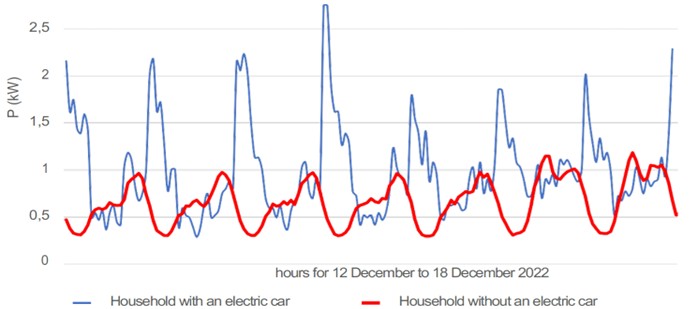
Along with changes in the nature of low voltage consumption points, there are changes in load and supply profiles.The paper uses real data to illustrate the transition from the standard load profiles to the profiles influenced bymodern trends such as photovoltaic power plants, electric heating, and electromobility. The examples show thepotentially fatal consequences of the behaviour of active customers who use their connection up to the limits of thecurrent contractual parameters."
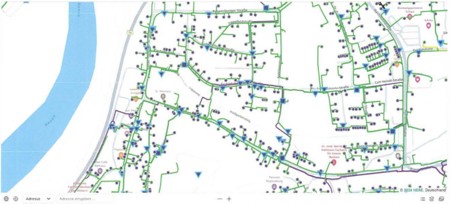
The goals of the energy transition are unprecedented in terms of scale and speed. 500,000 PV systems and 150,000 storage units connected to the Bayernwerk Netz GmbH grid are two symbols of a decentralised generation landscape. By 2030, millions of heat pumps, wall boxes and other storage units are expected to be added. At the same time, the ramp-up of renewable energy generation is being further accelerated. This results in mass processes and complexity in grid connection, operation and billing. Bayernwerk Netz is proactively addressing these challenges and has anchored consistent automation and digitalisation in its corporate strategy. For Bayernwerk Netz, the digital twin of energy networks is a central component of the energy system of the future.

The paper describes the current state of affairs and looks back at the SMARAGD pilot project, which focuses on smart metering at EG.D. It also describes and provides examples of how data from smart meters is used for controlling and operating the low voltage grids at EG.D.
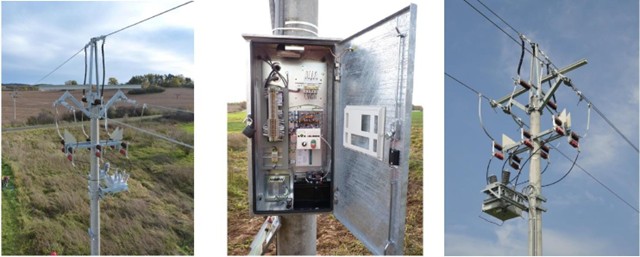
The paper deals with the installation of remotely controlled elements (RCE) in overhead high voltage lines in the networks of EG.D, a.s., and it primarily focuses on the installation of reclosers. The reclosers help reduce the impact of high voltage faults by contributing to shorter fault location times, and some customers are not affected by the fault at all. The methodology used to select the most suitable locations for installation is described, along with the development of the number of RCEs as well as the target number of the reclosers determined on the basis of an expert study. Furthermore, assumed and already visible impacts to SAIDI and SAIFI quality parameters are mentioned.
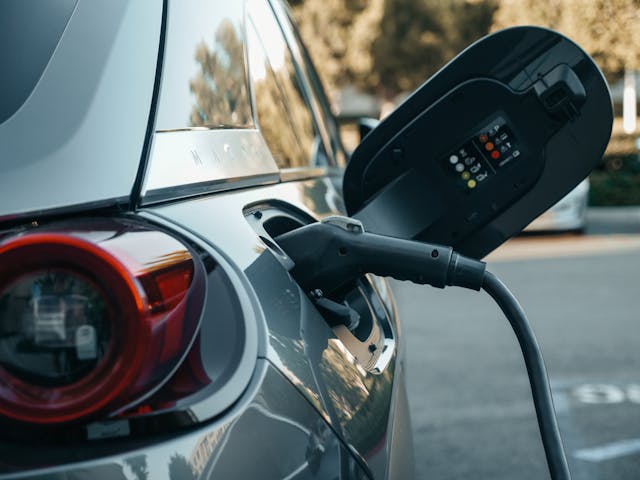
With their ability to feed back the electrical energy stored in their batteries, bidirectional electric vehicles can actively contribute to making our power supply system more flexible. However, the actual utilization of the flexibility potential of mobile battery storage requires an intelligent interaction of electric vehicles, charging infrastructure and the overall energy system. In the research project “Bidirectional Charging Management—BDL” such an approach is therefore being developed and tested in a pilot operation with 50 BMW i3 on the basis of various use cases. However, in order to be able to actually fully utilize the energy system-related added value of millions of individual mobile battery storage units, not only the technical development of electric vehicles and charging infrastructure is required, but also the regulatory framework must be adapted and further developed to reflect the requirements of the new flexibility options. In this article, regulatory hurdles and possible solutions for the provision of ancillary services from electric vehicles with bidirectional charging management are shown for three exemplary vehicle-to-grid use cases. In particular, Frequency Containment Reserve as well as for congestion management redispatch services and local network services in accordance with Section 14a of the EnWG are considered.
Due to the increasing demand for renewable energies, in addition to the factors of generation and consumption, the transmission of electricity is an important component in managing the energy transition. The distribution network plays a particularly important role here. In order to meet all customer requirements, the network must be designed for generation and load peaks that occur only very rarely during the year. With the premise of being able to connect all producers and consumers, the instrument of temporary load shifting is needed to avoid bottlenecks until network expansion measures are completed.
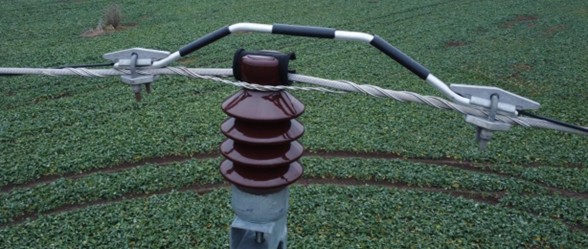
The article sums up the present experience from pilot projects with Access wrap technology (wrapping of optic cable around the phase conductor). This technology raises another possibility in optic fibre installation on medium voltage overhead lines. In comparison to the standard technologies utilised in EG.D is beneficial mainly from the side of usage of the current infrastructure (lines), speed of the realization process and miti- gation of the authorisation procedure. On the other hand, it brings some complications in the daily opera- tion/maintenance of the line. This technology implies usage for special applications such as short branches or lines with high residual value. This article sums up the experience from the installation process as well as the maintenance in a daily operation.
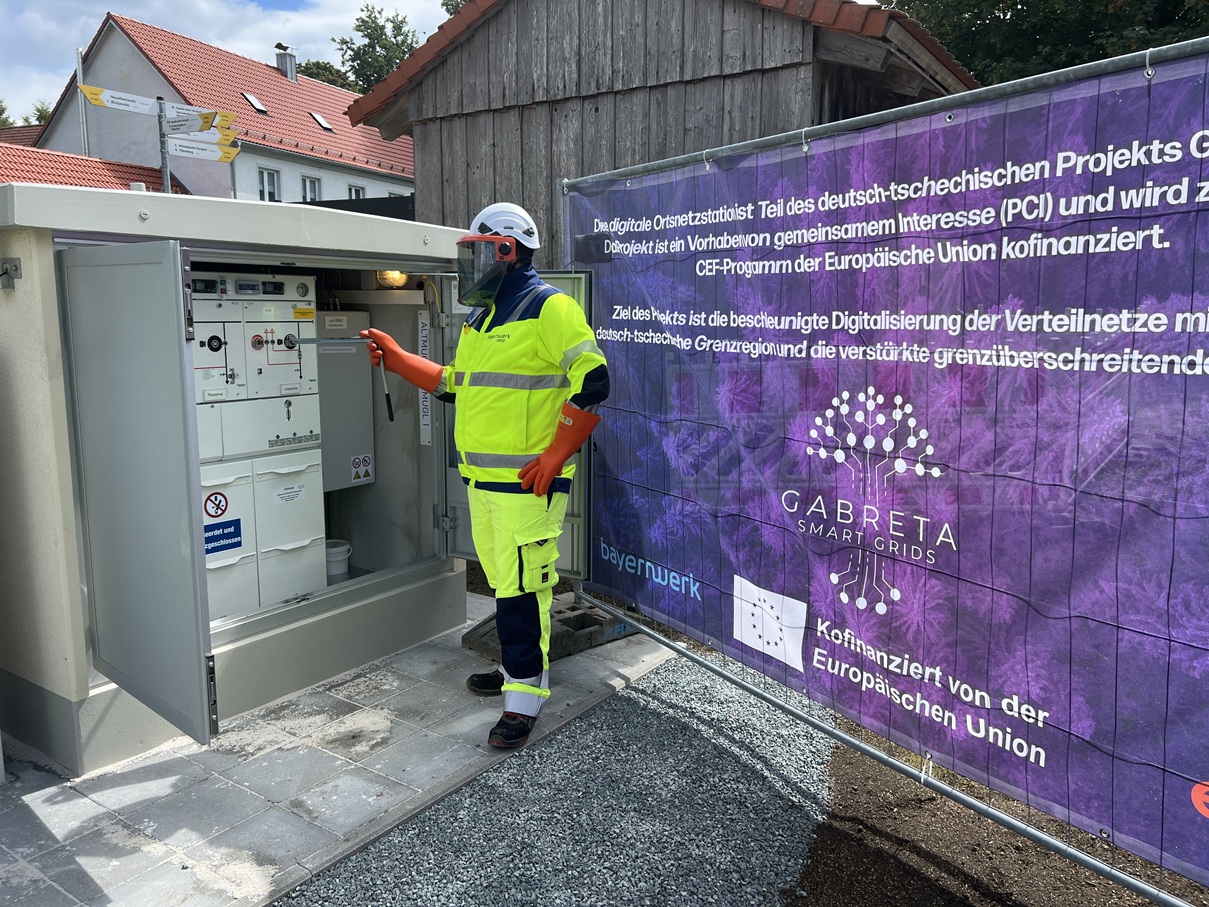
The decarbonization of for example the energy or heat sector leads to the transformation of distribution grids. The expansion of decentralized energy resources and the integration of new consumers due to sector coupling (e.g. heat pumps or electric vehicles) into low voltage grids increases the need for grid expansion and usage of flexibilities in the grid. A high observability of the current grid status is needed to perform these tasks efficiently and effectively. Therefore, there is a need to increase the observability of low voltage grids by installing measurement technologies (e.g. smart meters). Multiple different measurement technologies are available for low voltage grids which can vary in their benefit to observation quality and their installation costs. Therefore, Bayernwerk Netz GmbH and e.dis AG in cooperation with E-Bridge Consulting GmbH and the Institute for High Voltage Equipment and Grids, Digitalization and Energy Economics (IAEW) investigated the effectiveness of different strategies for the smartification of low voltage grids. This paper presents the methodology used for the investigation and exemplary results focusing on the impact of intelligent cable distribution cabinets and smart meters on the quality of the state estimation.
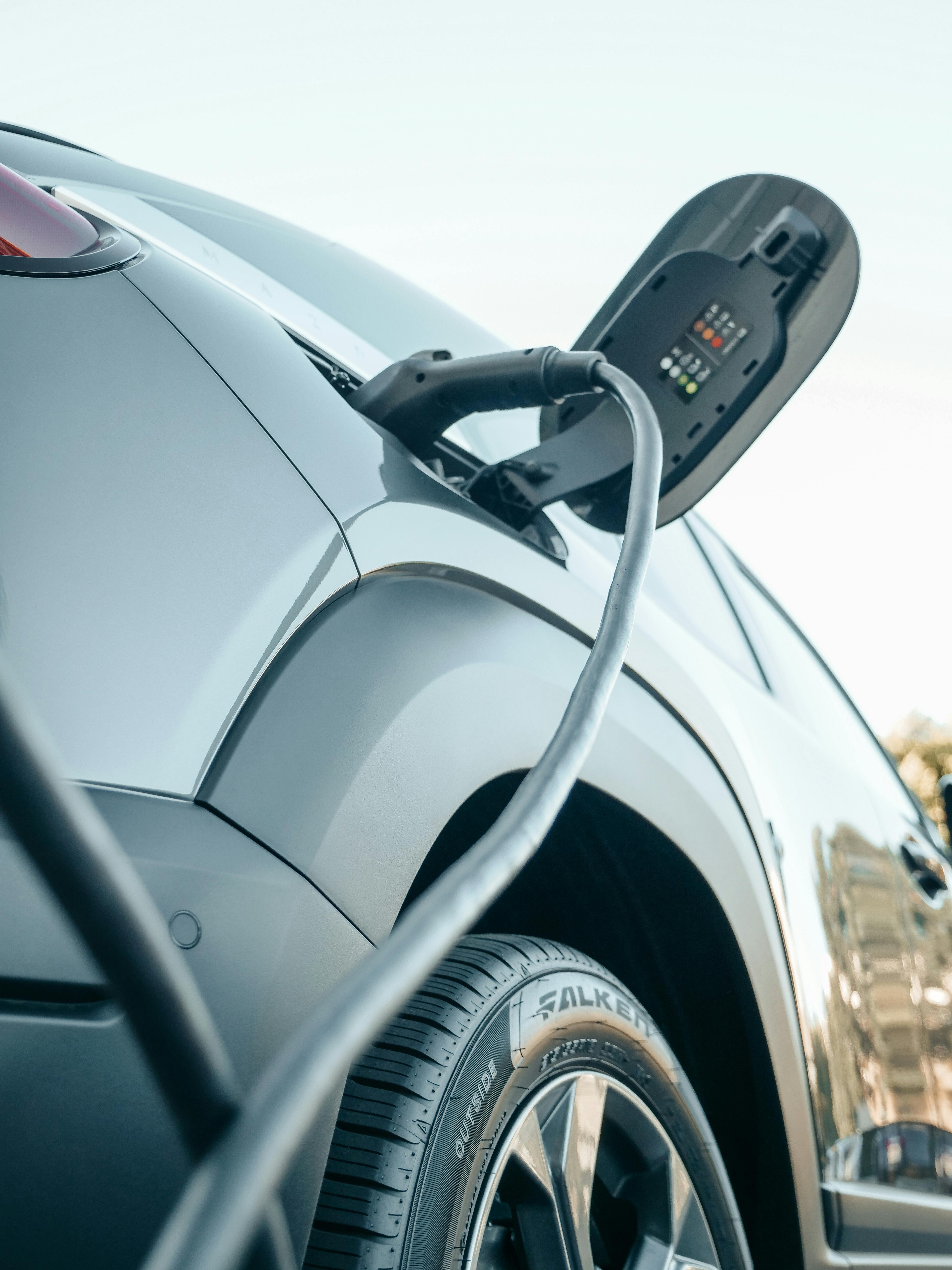
Various factors, particularly an increasing share in underground cable lines, can lead to excessive reactive power demand of distribution grids to their respective transport grids and, thus, to the need of costly compensation measures. At the same time, the occurrence of battery-electric cars is considerably increasing. It is, therefore, conceivable to provide reactive power as an inexpensive “waste product” by the charging converters of the cars as a solution to the aforementioned problem. In this research work, the idea is examined for its feasibility by means of extensive time series simulation using the example of a real existing distribution grid. It was found that, with a realistic number of charging points—especially public ones with integrated converter electronics—not only can the reactive power demand be reduced to an acceptable level but also additional reactive power can be provided as a service to the transport grid.
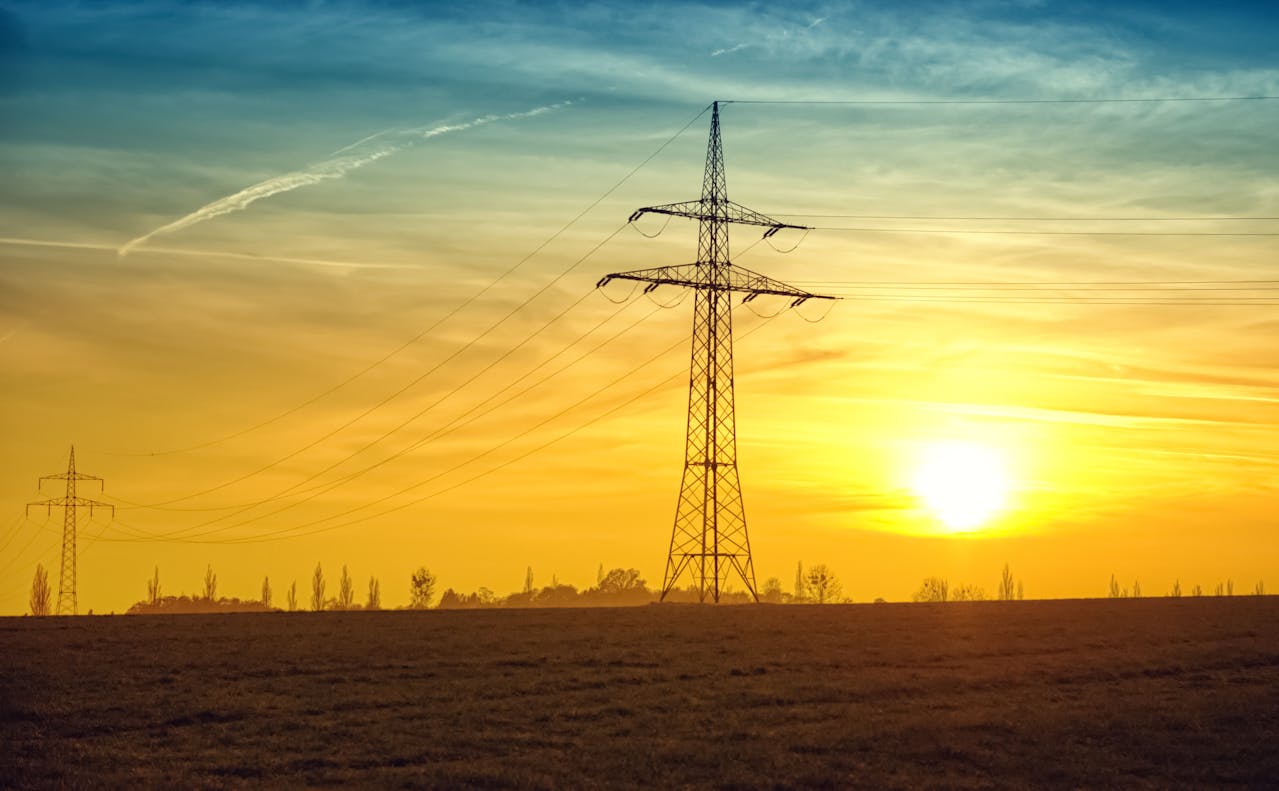
The levels of the harmonics and the characteristics of the balancing processes during switching operations in the 110 kV grid strongly depend on the frequency-dependent impedance, whereby this is location-dependent. In this article, the main factors influencing the frequency-dependent grid impedance are described for arbitrary nodes of a 110 kV grid and demonstrated using realistic grid structures. The influencing variables are analyzed with respect to their effect on the harmonic levels in the high voltage grid itself. Exemplary frequency-dependent impedances of a highly simplified 110 kV grid are presented, but short-circuit power, overhead lines and a medium-voltage grid were taken into account. In the article, the influences of the short-circuit power, the load, the subordinate medium-voltage grids and the elements installed in the grid (overhead lines, load, cables, transformers) are qualitatively shown and quantitatively specified.
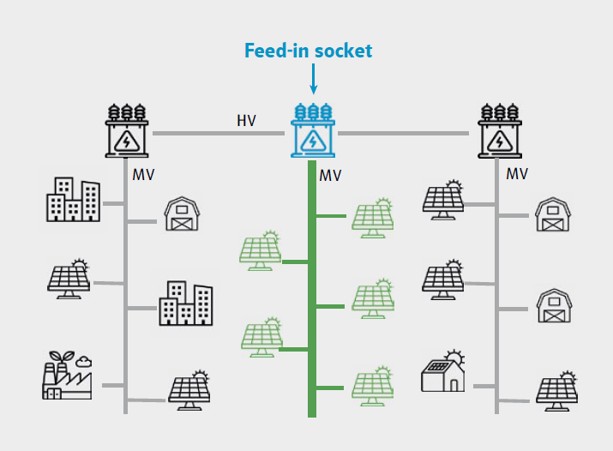
The goals of the energy transition are unprecedented in terms of scale and speed. Conventional concepts for grid connection are reaching their limits with the massive expansion of renewable energy plants. New ideas and solutions are needed to achieve the goal of climate neutrality quickly, cost-effectively and technically efficiently. With this motivation, Bayernwerk and Lechwerke, together with E-Bridge Consulting, have developed the concept of the ‘feed-in socket’. This is a proactive approach to simplified grid connection of renewable energy plants.

The potential for electrical, magnetic and Ohmic coupling between HVDC and HVAC transmission systems via their electric and magnetic fields is an issue of concern to the owners of HVDC transmission systems, AC transmission lines and communications lines. The induced currents and/or voltages on the HVDC transmission system or AC lines may adversely affect adjacent transmission systems or communications lines, especially when large magnitudes or high rates of change of voltage or current are involved. The underground cable systems of SuedLink (SL) and SuedOstLink (SOL) HVDC systems may be constructed for a portion of their length within the same corridors as existing and/or planned HVAC overhead transmission and underground AC cable systems. The HVDC systems will be required to cope with the electrical, magnetic and Ohmic interaction caused by the existing or planned HVAC and distribution system infrastructures in the proximity. Conversely, the SL and SOL HVDC projects must be designed to avoid unacceptable effects of electrical and magnetic coupling from or to the existing or planned AC electrical systems or communications system infrastructure. The scope of the work described in this paper originally included the study of harmonic coupling from the DC systems to communications systems, electrostatic coupling between AC and DC systems and Ohmic coupling of DC current into the adjacent AC lines primarily based on EMT simulations. However, the SOL and SL HVDC systems have only a very short length of closely coupled hybrid AC/DC overhead lines and are almost exclusively implemented using shielded underground DC cables. The extensive use of shielded DC cables largely eliminates the risk that the above interference modes would occur. Consequently the paper focuses on identifying the parameters that could have a significant influence on the inductive coupling between the HVDC system and the parallel AC systems under both steady-state and transient conditions. Detailed calculations and analyses were carried out to quantify potential concerns arising from inter-circuit power frequency and transient coupling and to demonstrate the effectiveness of mitigative measures that could be taken to limit the impacts to acceptable levels.

In many regions of Germany, the high fluctuating electricity generation from photovoltaics (PV) poses major challenges, especially for distribution networks. The supply-dependent generation often deviates from actual consumption. As an alternative to the necessary grid expansion measures, this article provides a technical analysis of the flexible operation of the industrial power plant at the UPM site in Plattling to relieve the Bayernwerk distribution grid.
